
Paying Yourself First: An Act of Love for You and Your Family
2/1/2026
February is the month of love; Valentine’s Day, sweet treats, and reminders to care for the people who matter most. But there’s one relationship that often gets overlooked: your relationship with your financial future.
One of the most practical ways to show love to future you this month is by paying yourself first, setting aside money for savings before spending on anything else. It’s a simple habit that can reduce stress, build stability, and protect your family from the financial “surprises” life loves to throw at us.
What Does Paying Yourself First Mean?
Paying yourself first means treating savings like a priority bill. Instead of saving “whatever’s left” at the end of the month, you choose an amount to set aside at the beginning, then build the rest of your spending plan around it. This can include adding money to your emergency fund, retirement account, or a sinking fund for a new car or vacation for example.
Why it Matters
Many households are one surprise expense away from financial strain. The Federal Reserve’s economic well-being report found that 63% of adults said they would cover a hypothetical $400 emergency expense using cash or its equivalent, which means 37% would not and will likely incur more debt in this instance.
That gap is exactly why paying yourself first is so powerful: it helps you build a buffer, so emergencies don’t automatically become debt. And it’s not just about one expense. A 2025 Bankrate survey reported that only 46% of Americans have enough emergency savings to cover three months of expenses, and 24% say they have no emergency savings at all.
Paying Yourself First is a Form of Love
Financial stability isn’t just a personal win; it’s a family win. When you pay yourself first, you’re building peace of mind, increased options, fewer forced decisions, and a lower reliance on credit cards. Having a consistent savings plan also connects directly to stress and mental well-being. Money is often cited as a significant source of stress for many adults. Saving a portion of your income as a priority won’t solve everything overnight, but it can lower the “always on” anxiety that comes from feeling financially unprepared.
How to Start, Even if Money is Tight
You don’t need to start with a large amount. Start with consistency. Pick a small, specific amount like $10, $25, or $50 per paycheck and automate the savings by having the amount regularly moved to your designated savings account. Automatic transfers help remove willpower from the equation. And, yes, use a separate savings account that is not connected to your debit card. Keeping savings slightly “out of reach” can reduce impulse spending.
As your budget, income and lifestyle evolve, increase the amount you save each month when life allows. After a raise, a paid-off bill, or a seasonal expense ending, try to bump your savings by even 1%. If you’re trying to establish an emergency fund, aim for 3 months of expenses and then aim for 6 months. If three months feels too hard, that’s okay, start with a less overwhelming milestone (like $500 or $1,000), then build from there.
What if Paying Yourself First Feels Impossible Right Now?
If debt payments and basic living costs are taking up most (or all) of your income, you’re not alone, and you’re not failing. In many households, the issue isn’t discipline; it’s that your budget has no breathing room.
This is where a credit counseling agency like Navicore can help. A certified counselor can work with you to review your monthly budget and cash flow, develop a plan to address debt repayment and build a sustainable strategy for financial stability, one step at a time. This month, consider starting to pay yourself first as a real act of love.
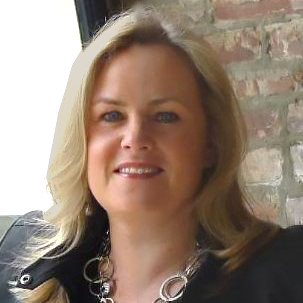
Lori Stratford is the Digital Marketing Manager at Navicore Solutions. She promotes the reach of Navicore's financial education to the public through social media and blog content.
You can follow Navicore Solutions on Facebook, X, LinkedIn and Pinterest. We'd love to connect with you.